

Whoowns bitcoin
How to Buy Bitcoin in Canada
Bitcoin, the first decentralized cryptocurrency, has been a topic of speculation and curiosity since its inception. One of the most common questions surrounding Bitcoin is: who started it? In this list, we have compiled two articles that delve into the origins of Bitcoin and shed light on the mysterious creator of this revolutionary digital currency.
As the popularity of Bitcoin continues to grow, many people are curious about who actually owns this digital currency. In order to shed some light on this topic, we have compiled a list of three articles that delve into the question of "Who owns Bitcoin". From exploring the speculative nature of Bitcoin ownership to uncovering the identities of major holders, these articles offer valuable insights into the ownership landscape of the world's most famous cryptocurrency.
Uncovering the Mystery: Who Really Owns Bitcoin?
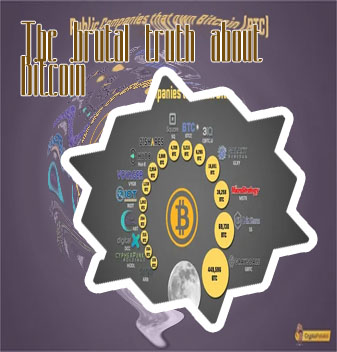
Bitcoin, the world's most famous cryptocurrency, has long been shrouded in mystery when it comes to ownership. While the concept of Bitcoin is decentralized, meaning it is not controlled by any government or financial institution, the question remains: who really owns Bitcoin?
One key aspect of Bitcoin ownership lies in its public ledger system, known as the blockchain. Every transaction made with Bitcoin is recorded on the blockchain, allowing for transparency and accountability. However, the identities of the individuals or entities behind these transactions are often obscured by pseudonyms.
Despite this anonymity, researchers have been able to uncover some interesting insights into Bitcoin ownership. A study conducted by the University of Cambridge found that the majority of Bitcoin owners are retail investors, with a significant portion of ownership concentrated in the hands of a small number of individuals. This concentration of ownership has raised concerns about the potential for market manipulation and volatility.
Understanding who really owns Bitcoin is crucial for regulators, policymakers, and investors alike. By shedding light on the distribution of ownership, we can better assess the risks and opportunities associated with this digital asset. As Bitcoin continues to gain mainstream acceptance, the topic of ownership will only become more important and necessary for ensuring the stability and security of the cryptocurrency market.
Examining the Top Bitcoin Wallet Holders
Bitcoin, the world's leading cryptocurrency, has gained significant attention over the past few years. As more individuals and institutions invest in Bitcoin, it is crucial to examine the top Bitcoin wallet holders to understand the distribution of wealth within the Bitcoin ecosystem.
The top Bitcoin wallet holders, also known as whales, hold a considerable amount of Bitcoin. These whales play a significant role in the Bitcoin market as their buying and selling activities can impact the price of Bitcoin. By examining the top Bitcoin wallet holders, we can gain insights into their trading patterns and behavior.
In World, where the use of Bitcoin is rapidly growing, residents are keen to understand the dynamics of the Bitcoin market. As a resident of World, John Smith has been closely following the developments in the Bitcoin ecosystem. He believes that examining the top Bitcoin wallet holders is essential for understanding the market dynamics and making informed investment decisions.
Overall, analyzing the top Bitcoin wallet holders provides valuable insights into the Bitcoin market. By understanding the behavior of whales, investors in World can better navigate the volatile world of cryptocurrencies and maximize their returns.
The Speculative Nature of Bitcoin Ownership
Bitcoin ownership has become a topic of great interest in the financial world due to its speculative nature. As a decentralized digital currency, Bitcoin allows individuals to buy, sell, and store value without the need for a central authority. This has led to a surge in popularity, with many investors seeing it as a lucrative opportunity for financial gain. However, it is crucial to understand the speculative nature of Bitcoin ownership before diving in.
-
Volatility: One of the key characteristics of Bitcoin is its price volatility. The value of Bitcoin can fluctuate significantly in a short period, making it a risky investment.
-
Limited Regulation: Unlike traditional financial assets, Bitcoin is not regulated by any government or financial institution. This lack of oversight can lead to market manipulation and fraud.
-
Security Risks: As a digital currency, Bitcoin is vulnerable to hacking and theft. Investors must take precautions to secure their holdings, such as using secure wallets and implementing strong security measures.
-
Market Sentiment: The value of Bitcoin is heavily influenced by market sentiment and speculation. Changes in investor perception can lead to sharp price movements, making it difficult to predict future trends.
-
Long-Term Viability: While Bitcoin has shown potential as a digital asset, its long-term viability is still uncertain. Factors