
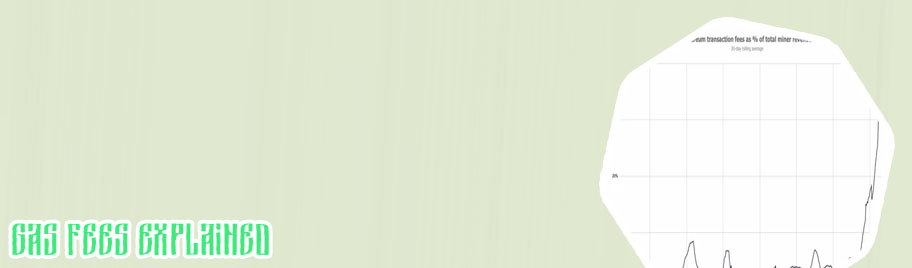
What are crypto gas fees
How to Buy Bitcoin in Canada
Understanding Crypto Gas Fees: A Beginner's Guide
Navigating the world of cryptocurrency can be daunting, especially when it comes to understanding crypto gas fees. These fees are a crucial part of using decentralized blockchain networks, yet many users are still unsure of what they are and how they work. To help shed some light on this topic, here are three articles that delve into the ins and outs of crypto gas fees:
Demystifying Crypto Gas Fees: What You Need to Know
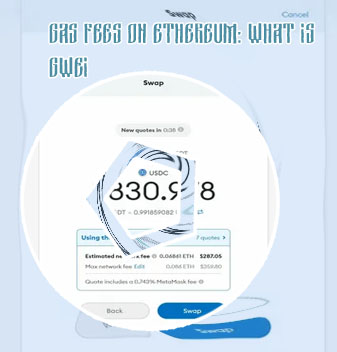
As the world of cryptocurrencies continues to expand and evolve, one aspect that is often misunderstood by beginners is gas fees. Gas fees are essentially transaction fees on the Ethereum network that users have to pay in order to execute transactions or smart contracts.
Gas fees can fluctuate based on network congestion and the complexity of the transaction being carried out. This can lead to frustration for users who are not familiar with how gas fees work. However, with a basic understanding of how gas fees are calculated and how to optimize transactions to minimize fees, users can navigate the world of cryptocurrencies more confidently.
One key factor to consider when dealing with gas fees is the concept of gas limit and gas price. The gas limit determines how much computational work can be done in a block, while the gas price dictates how much users are willing to pay per unit of gas.
By carefully adjusting the gas limit and gas price, users can ensure that their transactions are processed efficiently and cost-effectively. Additionally, utilizing tools such as gas trackers can help users stay informed about current gas prices and make informed decisions about their transactions.
In conclusion, understanding gas fees is essential for anyone looking to participate in the world of cryptocurrencies. By demystifying gas fees and learning how to optimize transactions, users can navigate the complex world of cryptocurrencies
Understanding the Factors that Influence Crypto Gas Fees
Cryptocurrency transactions have become an increasingly popular method of exchanging value in the digital world. However, one of the key challenges that users face when engaging in these transactions is the fluctuating fees known as gas fees. These fees are essential to the processing of transactions on blockchain networks, including popular ones like Ethereum and Bitcoin.
Gas fees are influenced by a variety of factors, with one key factor being network congestion. When the network experiences high levels of activity, such as during times of heavy trading or the launch of popular decentralized applications (dApps), gas fees tend to increase. This is due to the limited capacity of the network to process transactions efficiently.
Another factor that influences gas fees is the complexity of the transaction. Transactions that involve smart contracts or multiple inputs and outputs require more computational resources to process, leading to higher gas fees.
Additionally, gas fees can also be impacted by the specific blockchain network being used. Different networks have different mechanisms for determining gas fees, which can result in varying fee structures for users.
Understanding the factors that influence gas fees is essential for cryptocurrency users to make informed decisions about when to engage in transactions. By staying informed about network activity, transaction complexity, and network-specific fee structures, users can navigate the world of cryptocurrency transactions more effectively.
Tips for Managing and Minimizing Crypto Gas Fees
As the world of cryptocurrency continues to grow, managing and minimizing gas fees has become increasingly important for users. Gas fees refer to the transaction fees required to successfully conduct a transaction on the blockchain network. These fees are essential for miners to process and validate transactions, but they can also be a significant cost for users.
One key tip for managing gas fees is to monitor network congestion. During times of high demand, such as when there is a popular token sale or a new NFT drop, gas fees can skyrocket. By keeping an eye on network congestion, users can time their transactions to avoid peak periods and save on fees.
Another strategy is to choose the right time for transactions. Gas fees can vary significantly depending on the time of day and day of the week. By conducting transactions during off-peak hours, users can take advantage of lower fees.
Additionally, optimizing gas fees through the use of transaction batching can help minimize costs. Instead of sending multiple transactions individually, users can combine them into a single batch transaction to save on fees.
Overall, understanding how gas fees work and implementing these tips can help users effectively manage and minimize their cryptocurrency transaction costs. By staying informed and strategic, users can make the most of their crypto investments while keeping fees to a minimum.